

What Five Years of Ketamine Care Has Taught Me

If you or someone you love is struggling with anxiety, depression, PTSD, OCD, or chronic pain that hasn’t responded to traditional treatments, ketamine therapy may feel both hopeful and intimidating. Is it safe? Does it really work? And how do you know if it’s being offered responsibly?
Recent research published in JAMA Psychiatry in late 2025 offers strong reassurance—especially when ketamine is used thoughtfully as part of comprehensive mental health care. Combined with real-world clinical experience, the evidence points to ketamine as a powerful tool for people who have felt stuck for far too long.
What the Latest Research Shows
A large randomized clinical trial known as KARMA-Dep 2 studied ketamine in adults hospitalized for severe major depression—many with long-standing, treatment-resistant symptoms. These were patients who had often tried multiple medications and therapies without lasting relief.
The findings were encouraging and clinically meaningful:
Ketamine produced rapid improvement, often within days rather than weeks.
Repeated infusions led to more sustained benefits compared to single treatments.
Ketamine worked best as an adjunct, meaning it enhanced—not replaced—ongoing psychiatric and therapeutic care.
When administered in medical settings, ketamine showed a strong safety profile, with side effects that were temporary and manageable.
For patients and families who feel discouraged after years of limited progress, this study confirms that ketamine is not experimental or fringe—it is an evidence-based option when used appropriately.
How Ketamine Helps the Brain Heal
Ketamine works differently than standard antidepressants. Instead of acting primarily on serotonin, it targets glutamate pathways and promotes neuroplasticity—the brain’s ability to form new connections.
This neuroplastic window can help interrupt rigid thought patterns, reduce emotional reactivity, and improve mood. Importantly, ketamine may also influence memory recall and consolidation, allowing people to revisit difficult experiences without becoming overwhelmed. This is especially relevant for trauma-related conditions, OCD, and chronic pain syndromes, where the nervous system becomes locked into repetitive loops.
What I’ve Seen in Five Years of Clinical Practice
Over the past five years, I’ve worked closely with patients using ketamine in clinical practice, and the outcomes continue to be both humbling and inspiring. I’ve seen profound, often rapid improvement in people suffering from chronic anxiety, depression, PTSD, OCD, and chronic pain—many of whom had been struggling for years or decades.
Patients frequently describe feeling “unstuck” for the first time. Individuals with PTSD report a calming of constant hypervigilance. Those with depression often notice the mental fog lifting and a renewed sense of possibility. Patients with OCD or chronic pain describe a softening of rigid thought and pain patterns that once felt immovable.
Ketamine doesn’t erase problems overnight—but it can create a crucial opening where real healing becomes possible.
How Áureo’s Approach Is Different
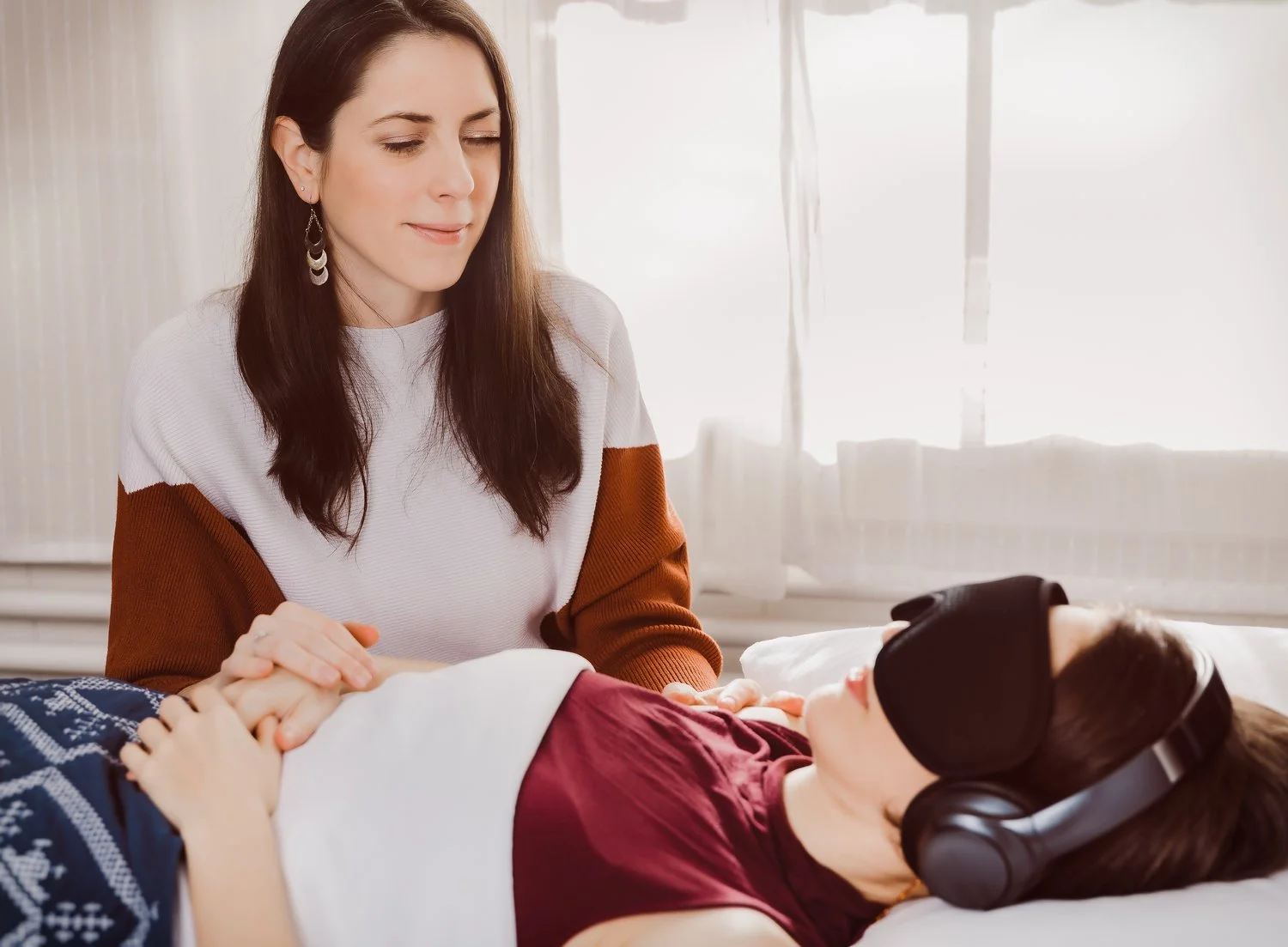
At Áureo, ketamine is never offered as a one-size-fits-all solution. Research and experience both show that ketamine works best when embedded within individualized, holistic care.
Our approach includes:
Tailored treatment plans, with dosing, frequency, and route of administration customized to each patient’s history and goals.
Integration support and counseling, helping patients process insights and translate them into daily life.
Whole-person care, addressing sleep, stress, trauma history, inflammation, and lifestyle factors that shape mental health.
Ongoing follow-up, because lasting change happens over time—not just during an infusion series.
This continuity of care is what sets Áureo apart. Ketamine is not a quick fix—it’s a catalyst that works best when paired with thoughtful guidance and long-term support.
A Hopeful Path Forward
Ketamine is not right for everyone, but for many people it can be life-changing. The latest research confirms what clinicians have been seeing for years: when used responsibly, ketamine can offer rapid relief, renewed hope, and a chance to engage in therapy and life more fully.
If you or a loved one feels stuck despite doing “everything right,” ketamine—within a careful, individualized framework—may offer a new way forward.
References:
Papadimitropoulou K, et al. Serial ketamine infusions as adjunctive therapy to inpatient care for depression: The KARMA-Dep 2 randomized clinical trial. JAMA Psychiatry. 2025;82(12).
Krystal JH, Abdallah CG, Sanacora G. Ketamine: A paradigm shift for depression research and treatment. Neuron. 2019;101(5):774-778.
Dore J, Turnipseed B, Dwyer S, et al. Ketamine therapy for depression in real-world care: Treatment outcomes, dosing, and safety. J Affect Disord. 2019;247:56-61.
Feder A, Parides MK, Murrough JW, et al. Efficacy of intravenous ketamine for treatment of chronic PTSD. JAMA Psychiatry. 2014;71(6):681-688.
Wilkinson ST, Sanacora G, Bloch MH. Ketamine’s antidepressant effects: Mechanisms and clinical implications. Biol Psychiatry. 2017;81(8):628-636.
Written by Dr. Lindsay Wilkinson ND, LAc
Dr. Lindsay Wilkinson, ND, is a compassionate naturopathic doctor dedicated to empowering her patients to achieve optimal health and well-being. With a focus on integrative medicine, she combines evidence-based treatments with holistic approaches to address a wide range of health concerns. Dr. Wilkinson's passion lies in guiding her patients toward balanced wellness through personalized care and support.