

The Gut–Brain Connection: Understanding how the microbiome shapes mood, inflammation, and emotional resilience

Photo by Jonathan Borba on Unsplash
A growing body of research continues to show that mental health begins in the gut. A recent JAMA Psychiatry study (Thanarajah SE, Ribeiro AH, Lee J, et al., 2025) revealed that people who drink more soft drinks have higher rates of depression—partly because sugary beverages disrupt the gut microbiome. Specifically, the study found that women with higher soft-drink consumption showed an increase in the gut bacterium Eggerthella, which has been linked to inflammation and mood disorders.
This research reinforces what we see every day at Áureo: when we help patients heal their digestion and microbiome, we often see improvements not only in bloating, fatigue, and inflammation—but also in anxiety, motivation, and mood stability.
A Comprehensive Look Inside the Gut
At Áureo, we often use the GI-MAP test, one of the most advanced DNA-based stool analyses available. This comprehensive assessment measures the balance of beneficial bacteria, pathogens, yeast, viruses, and inflammatory markers. It also evaluates digestive enzyme function, gut permeability (“leaky gut”), and immune response. By identifying imbalances such as low bacterial diversity or overgrowth of inflammatory microbes, we can design targeted treatment plans that support both gut and brain health.
We also test and treat Small Intestinal Bacterial Overgrowth (SIBO)—a common but often overlooked cause of digestive discomfort, fatigue, and cognitive fog. When bacteria migrate into the small intestine where they don’t belong, they can produce gases that disrupt digestion, nutrient absorption, and even neurotransmitter production. Treating SIBO through individualized herbal, nutritional, or antibiotic protocols often brings relief not only to the gut but to mental symptoms such as irritability and low mood.
A Holistic Approach to Mental Wellness
True healing requires a whole-person perspective. At Áureo, we integrate gut-focused care with broader mental health support, including:
Nutritional counseling to reduce inflammatory foods, balance blood sugar, and support microbiome health through fiber-rich whole foods and probiotics.
Exercise and movement therapy to increase circulation, support detoxification, and boost dopamine and serotonin naturally.
Therapy and counseling to help patients develop emotional awareness, stress resilience, and self-compassion.
Medication management and ketamine-assisted therapy, when appropriate, to help patients move through treatment-resistant depression or trauma. Ketamine can enhance neuroplasticity—helping patients form new patterns of thought and connection when combined with integration therapy and somatic practices.
Each of these tools plays a role in restoring balance to both the body and mind. When we address digestion, inflammation, and neurotransmitter balance together, the results are more sustainable and transformative.
Moving Toward Wholeness
The JAMA Psychiatry study highlights that even small lifestyle choices—like cutting back on sugary drinks—can shift your microbiome and mental health trajectory. At Áureo, our goal is to take that connection seriously: to look upstream for the root causes of depression, anxiety, and fatigue, and to create individualized plans that heal from the inside out.
Whether through GI-MAP testing, SIBO treatment, nutritional therapy, or ketamine-assisted care, our approach is rooted in one principle: your mind and body are inseparable—and both deserve care.
References
Thanarajah SE, Ribeiro AH, Lee J, et al. Soft Drink Consumption and Depression Mediated by Gut Microbiome Alterations. JAMA Psychiatry. 2025.
Valles-Colomer M, et al. The neuroactive potential of the human gut microbiota in quality of life and depression. Nat Microbiol. 2019;4(4):623-632.
Ford AC, et al. Small intestinal bacterial overgrowth in irritable bowel syndrome: systematic review and meta-analysis. Clin Gastroenterol Hepatol. 2009;7(12):1279-1286.
Jacka FN, et al. Association of Western and traditional diets with depression and anxiety in women. Am J Psychiatry. 2010;167(3):305-311.
Duman RS, et al. Synaptic plasticity and rapid antidepressant actions of ketamine. Am J Psychiatry. 2012;169(11):1150-1156.
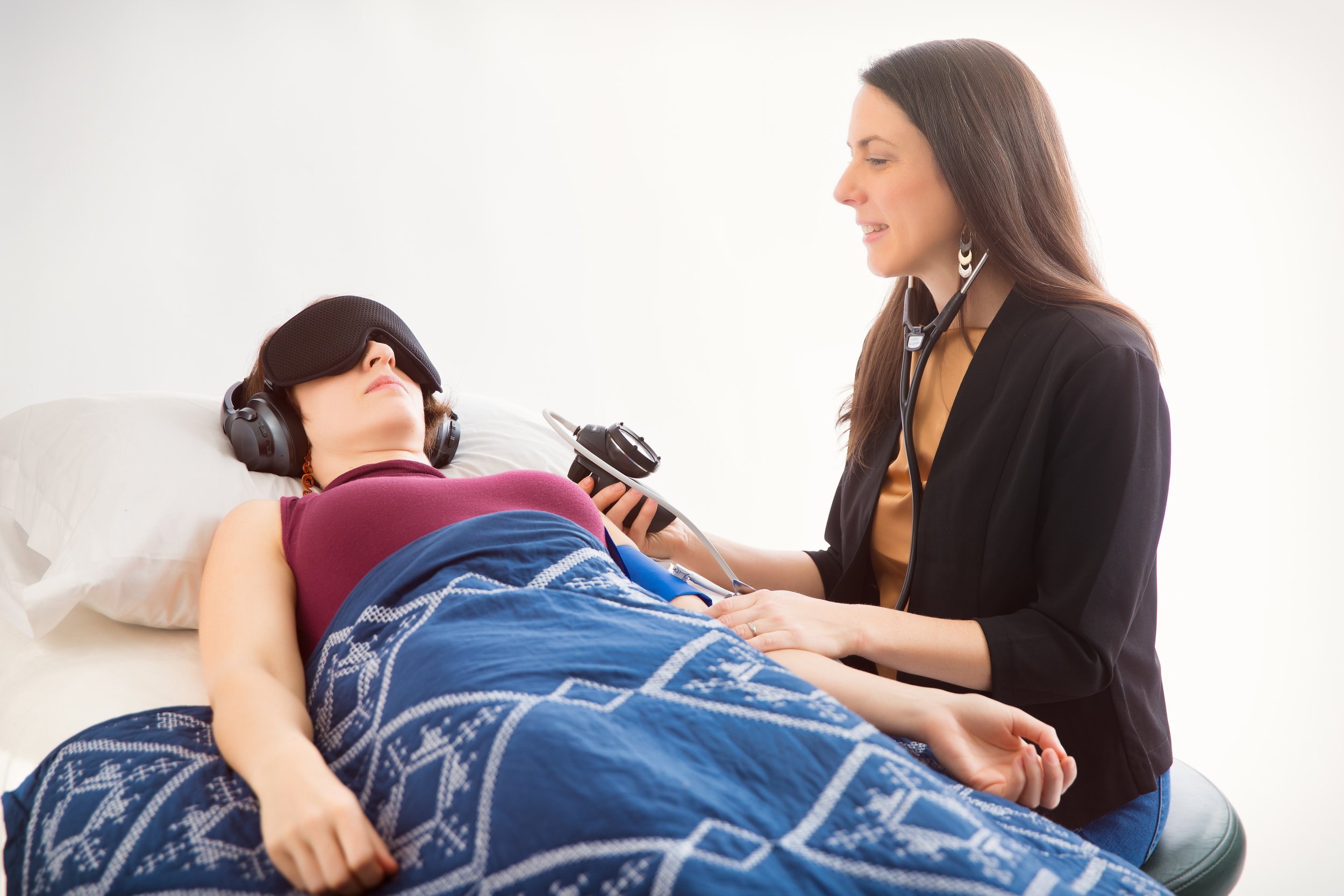
Written by Dr. Lindsay Wilkinson ND, LAc
Dr. Lindsay Wilkinson, ND, is a compassionate naturopathic doctor dedicated to empowering her patients to achieve optimal health and well-being. With a focus on integrative medicine, she combines evidence-based treatments with holistic approaches to address a wide range of health concerns. Dr. Wilkinson's passion lies in guiding her patients toward balanced wellness through personalized care and support.