

Optimizing Gut Health to Enhance Mental Wellness: A Holistic Approach at Áureo
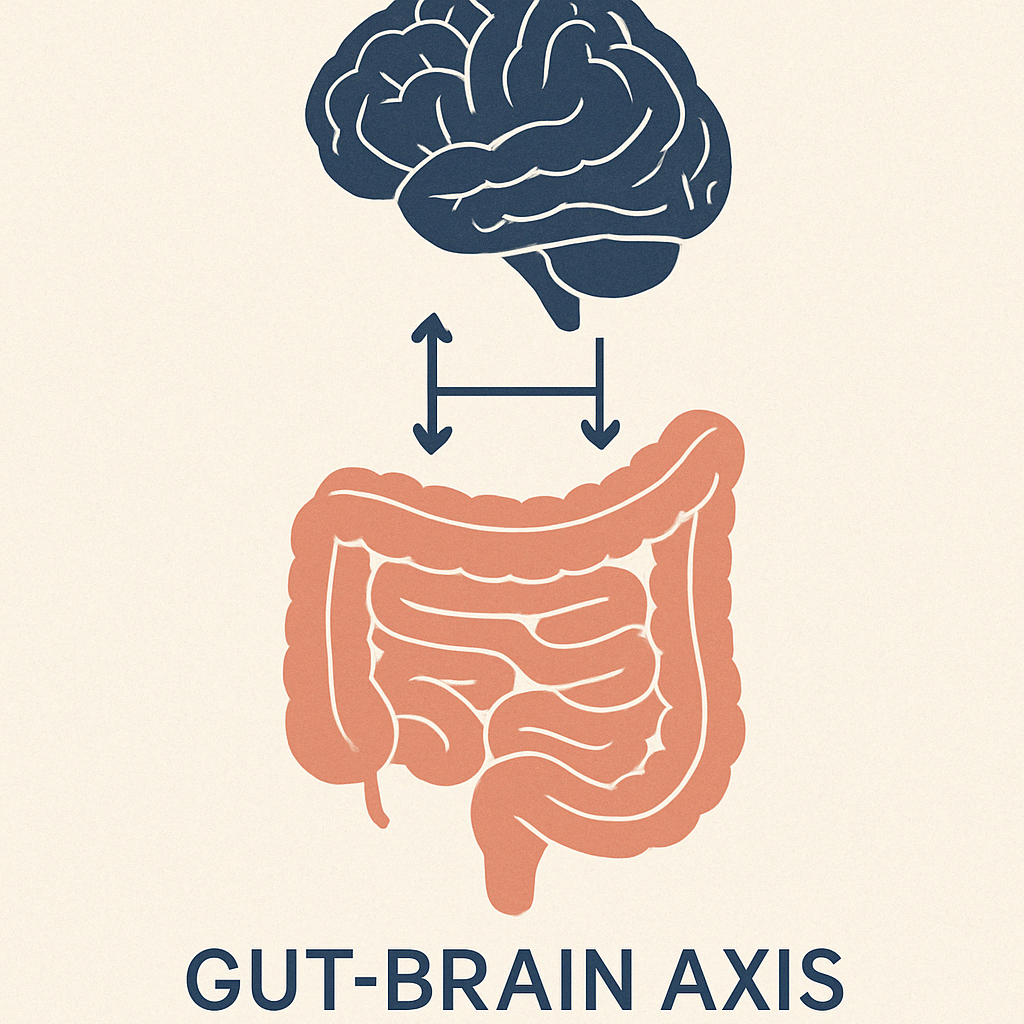
Nourish the Gut, Calm the Mind.
At Áureo, we are committed to providing comprehensive, integrative care for individuals navigating the challenges of anxiety, depression, and bipolar disorder. While ketamine therapy can be incredibly effective for rapid relief of anxiety and depression symptoms, emerging research underscores the significant role of gut health in mental well-being. Understanding and optimizing the gut microbiome—the diverse community of microorganisms residing in our digestive tract—can be a pivotal component in enhancing mental health outcomes.
The Gut-Brain Axis: A Bidirectional Communication Pathway
The gut and brain are intricately connected through the gut-brain axis, a complex communication network involving neural, hormonal, and immune pathways. This axis allows the gut microbiota to influence brain function and behavior, affecting mood, cognition, and emotional regulation. Disruptions in this communication can contribute to the development and progression of psychiatric disorders.
Gut Microbiota and Mental Health: The Evidence
Recent studies have highlighted the association between gut microbiota composition and mental health conditions:
Depression and Anxiety: Individuals with depression and anxiety often exhibit altered gut microbiota, characterized by reduced diversity and an imbalance between beneficial and harmful bacteria. These changes can lead to increased inflammation and altered neurotransmitter production, impacting mood and behavior.
A comprehensive review and meta-analysis by McGuinness et al. (2022) found consistent patterns of gut microbiota changes across various psychiatric disorders, including depression and anxiety. The study noted a depletion of anti-inflammatory, butyrate-producing bacteria and an enrichment of pro-inflammatory bacteria in affected individuals. Butyrate, a short-chain fatty acid produced by certain gut bacteria, plays a crucial role in maintaining gut barrier integrity and modulating inflammation, both of which are essential for mental health.
The Role of Naturopathic Medicine in Gut Health
Naturopathic doctors (NDs) are uniquely equipped to assess and address gut health through comprehensive evaluations and personalized interventions:
Comprehensive GI Testing: NDs utilize advanced diagnostic tools to assess gut microbiota composition, identify dysbiosis (microbial imbalance), and detect markers of inflammation or leaky gut syndrome.
Dietary Interventions: Tailored nutrition plans emphasizing whole foods, high in fiber and rich in prebiotics and probiotics, can support the growth of beneficial bacteria and enhance butyrate production.
Targeted Supplementation: NDs may recommend specific probiotics, prebiotics, or herbal antimicrobials to restore microbial balance and reduce inflammation.
Lifestyle Modifications: Stress management techniques, regular physical activity, and adequate sleep are integral components of a holistic approach to gut and mental health.
Integrating Gut Health into Mental Health Treatment
At Áureo, we recognize the importance of a multidisciplinary approach to mental health care. By incorporating gut health optimization into our treatment protocols, we aim to:
Enhance Treatment Efficacy: Supporting gut health may improve the effectiveness of ketamine therapy and other psychiatric treatments.
Reduce Inflammation: Addressing gut dysbiosis can lower systemic inflammation, which is often elevated in psychiatric conditions.
Improve Quality of Life: Restoring gut health can alleviate gastrointestinal symptoms commonly associated with mental health disorders, contributing to overall well-being.
Conclusion
Optimizing gut health represents a promising avenue for enhancing mental health outcomes. By addressing the gut-brain connection, we can offer more comprehensive and effective care for individuals struggling with anxiety and depression. At Áureo, our integrative approach combines cutting-edge treatments like ketamine therapy with personalized naturopathic interventions to support both gut and mental health.
References
McGuinness AJ, Davis JA, Dawson SL, et al. Perturbations in Gut Microbiota Composition in Psychiatric Disorders: A Review and Meta-analysis. JAMA Psychiatry. 2022;79(6):544–553. doi:10.1001/jamapsychiatry.2022.0033
Simpson CA, Mu A, Haslam N, Schwartz OS, Simmons JG. The gut microbiota in anxiety and depression – A systematic review. Clin Psychol Rev. 2020;83:101943. doi:10.1016/j.cpr.2020.101943
Wang Y, Kasper LH. The role of microbiome in central nervous system disorders. Brain Behav Immun. 2014;38:1–12. doi:10.1016/j.bbi.2013.12.015
Dinan TG, Cryan JF. The impact of gut microbiota on brain and behavior: implications for psychiatry. Curr Opin Clin Nutr Metab Care. 2015;18(6):552–558. doi:10.1097/MCO.0000000000000221
Mayer EA, Knight R, Mazmanian SK, Cryan JF, Tillisch K. Gut microbes and the brain: paradigm shift in neuroscience. J Neurosci. 2014;34(46):15490–15496. doi:10.1523/JNEUROSCI.3299-14.2014
Note: This blog post is intended for informational purposes only and should not replace professional medical advice. Consult with a qualified healthcare provider for personalized recommendations.

Written by Dr. Lindsay Wilkinson ND, LAc
Dr. Lindsay Wilkinson, ND, is a compassionate naturopathic doctor dedicated to empowering her patients to achieve optimal health and well-being. With a focus on integrative medicine, she combines evidence-based treatments with holistic approaches to address a wide range of health concerns. Dr. Wilkinson's passion lies in guiding her patients toward balanced wellness through personalized care and support.