

Ketamine Therapy Side Effects: What to Expect Before, During, and After Treatment
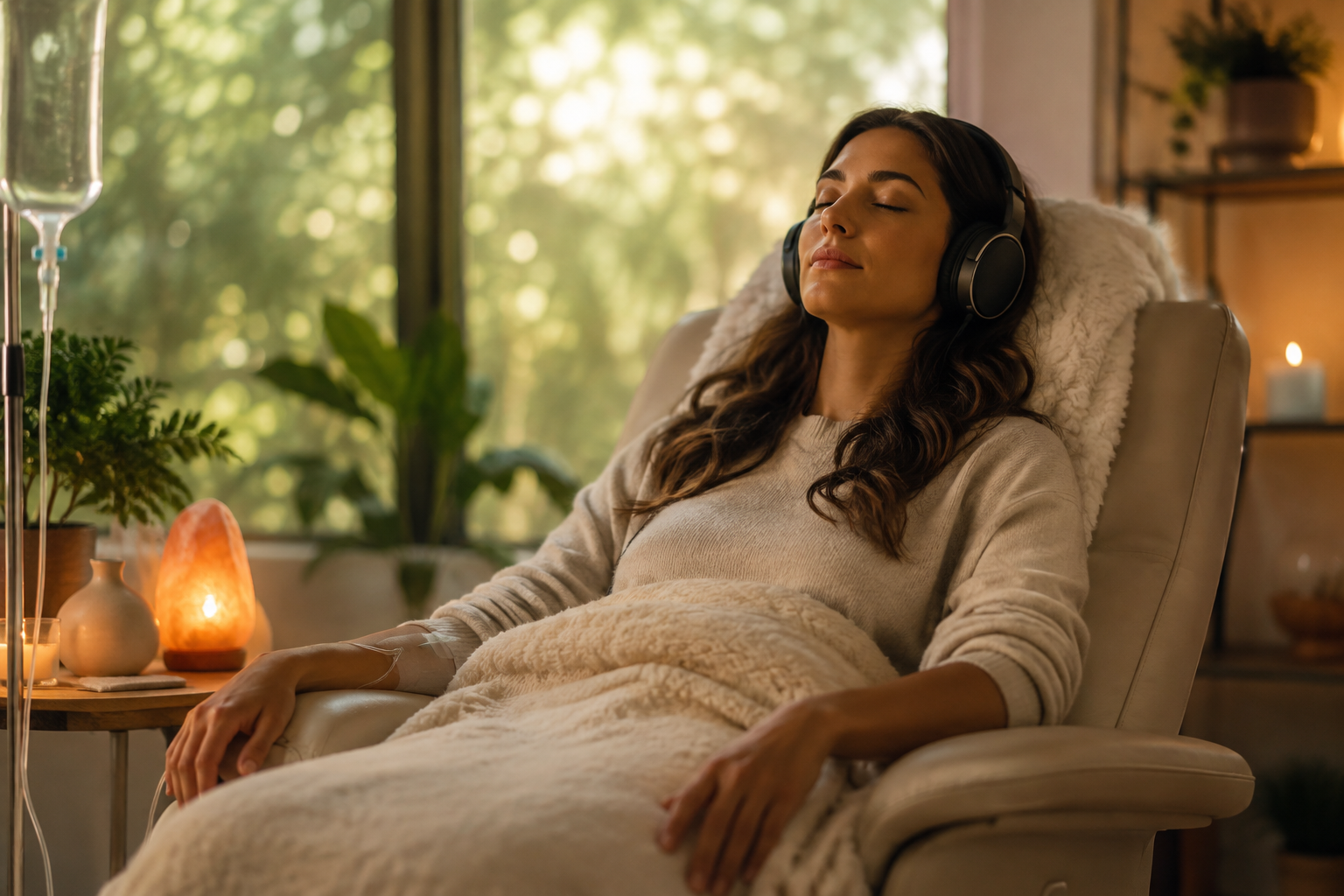
One of the most common questions we hear at Áureo is, "What will ketamine actually feel like, and what can I expect to feel after?"
It's an important question, and one that deserves a thorough answer.
Ketamine-assisted therapy has helped many people find relief from depression, anxiety, PTSD, OCD, chronic pain, and other conditions when traditional treatments have fallen short. Like any medical treatment, however, ketamine can cause side effects. The good news is that when ketamine is administered in a carefully monitored medical setting, most side effects are temporary, predictable, and manageable.
Before Your Ketamine Session
Interestingly, some of the symptoms people associate with ketamine treatment actually begin before the medication is ever administered.
It's completely normal to feel nervous before your first treatment. Anxiety, poor sleep the night before, dehydration, skipping meals, or even caffeine withdrawal can contribute to headaches, nausea, fatigue, or feeling "off" before your infusion begins.
At Áureo, we spend time preparing our patients for treatment because we believe that a comfortable ketamine experience starts long before the IV is placed.
During Your Ketamine Infusion
Every ketamine journey is unique.
Many patients describe feeling deeply relaxed, detached from everyday thoughts, or immersed in vivid imagery. Others notice temporary dizziness, blurred vision, altered perception of time, or a sensation of floating. Some experience nausea, mild increases in blood pressure or heart rate, or feel emotionally vulnerable as difficult memories or emotions arise.
These experiences can feel unfamiliar, but they are generally expected effects of ketamine's unique action in the brain. Throughout your treatment, your physician continuously monitors your vital signs and comfort, adjusting your care as needed to ensure your experience is as safe and supportive as possible.
After Treatment
Most patients begin feeling more physically grounded within an hour or two after their infusion.
For the remainder of the day, it's common to feel tired, mentally "foggy," emotionally sensitive, or simply ready for a quiet evening at home. Some people experience mild nausea, dizziness, headache, or temporary fatigue. Others leave feeling peaceful, hopeful, and energized.
We encourage our patients to view the hours after treatment as part of the healing process. Rest, hydration, nourishing food, and gentle self-care often support a smoother recovery.
A Whole-Person Approach to Ketamine Therapy
One of the things that makes Áureo different is that your ketamine provider is also a naturopathic physician.
Rather than focusing only on the infusion itself, we look at your overall health. Nutrition, sleep quality, hydration, digestive health, hormone balance, inflammation, medications, stress, and underlying medical conditions can all influence how someone feels during and after ketamine treatment.
When appropriate, we may recommend individualized nutritional guidance, dietary changes, evidence-informed supplements, botanical medicine, acupuncture, bodywork, or IV hydration and nutrient therapy as part of your overall treatment plan. While these therapies are not proven to prevent ketamine side effects themselves, they may help optimize your general health, improve resilience, and support recovery before and after treatment.
Our goal is not simply to administer ketamine—it is to care for the whole person.
Whether you are seeking ketamine therapy for depression, anxiety, PTSD, OCD, or chronic pain, our team is committed to creating a safe, compassionate, and individualized experience from your initial consultation through every step of your healing journey.
References:
Short B, Fong J, Galvez V, Shelker W, Loo CK. Side-effects associated with ketamine use in depression: a systematic review. Lancet Psychiatry. 2018;5(1):65-78. doi:10.1016/S2215-0366(17)30272-9.
Cohen SP, Bhatia A, Buvanendran A, et al. Consensus guidelines on the use of intravenous ketamine infusions for chronic pain from the American Society of Regional Anesthesia and Pain Medicine, the American Academy of Pain Medicine, and the American Society of Anesthesiologists. Reg Anesth Pain Med. 2018;43(5):521-546. doi:10.1097/AAP.0000000000000808.
Rodrigues NB, McIntyre RS, Lipsitz O, et al. Safety and tolerability of IV ketamine in adults with major depressive or bipolar disorder. Expert Opin Drug Saf. 2020;19(8):1031-1040. doi:10.1080/14740338.2020.1776699.
Singh JB, Fedgchin M, Daly EJ, et al. A double-blind, randomized, placebo-controlled, dose-frequency study of intravenous ketamine in patients with treatment-resistant depression. Am J Psychiatry. 2016;173(8):816-826. doi:10.1176/appi.ajp.2016.16010037.
Krystal JH, Abdallah CG, Sanacora G, Charney DS, Duman RS. Ketamine: A paradigm shift for depression research and treatment. Neuron. 2019;101(5):774-778. doi:10.1016/j.neuron.2019.02.005.
Wilkinson ST, Sanacora G. Considerations on the off-label use of ketamine as a treatment for mood disorders. JAMA. 2019;321(8):737-738. doi:10.1001/jama.2019.0105.
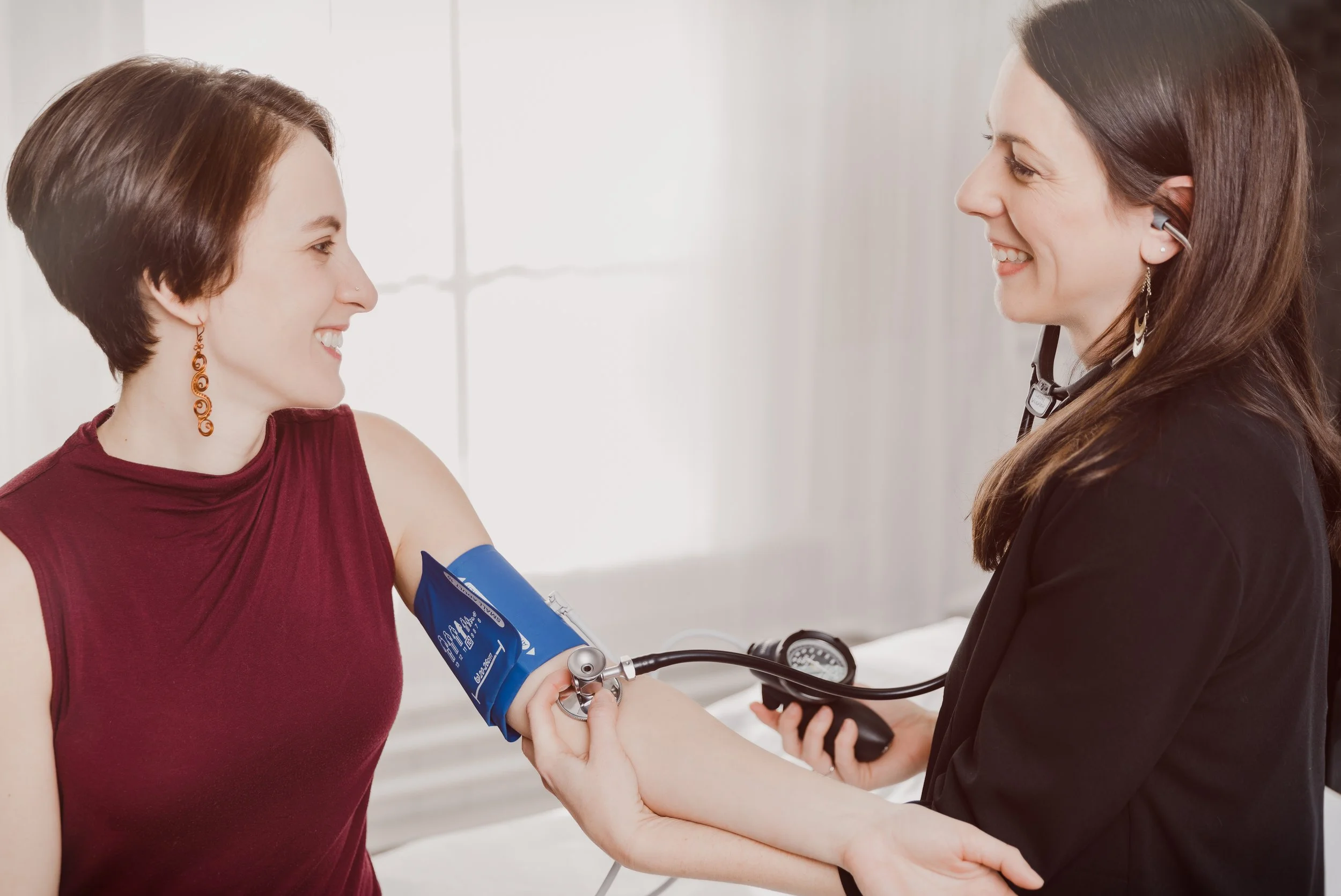
Dr. Lindsay Wilkinson, ND, is a compassionate naturopathic doctor dedicated to empowering her patients to achieve optimal health and well-being. With a focus on integrative medicine, she combines evidence-based treatments with holistic approaches to address a wide range of health concerns. Dr. Wilkinson's passion lies in guiding her patients toward balanced wellness through personalized care and support.