

GLP-1 Medications and Neuroinflammation: Could Semaglutide and Tirzepatide Support Mental Health and Chronic Pain?
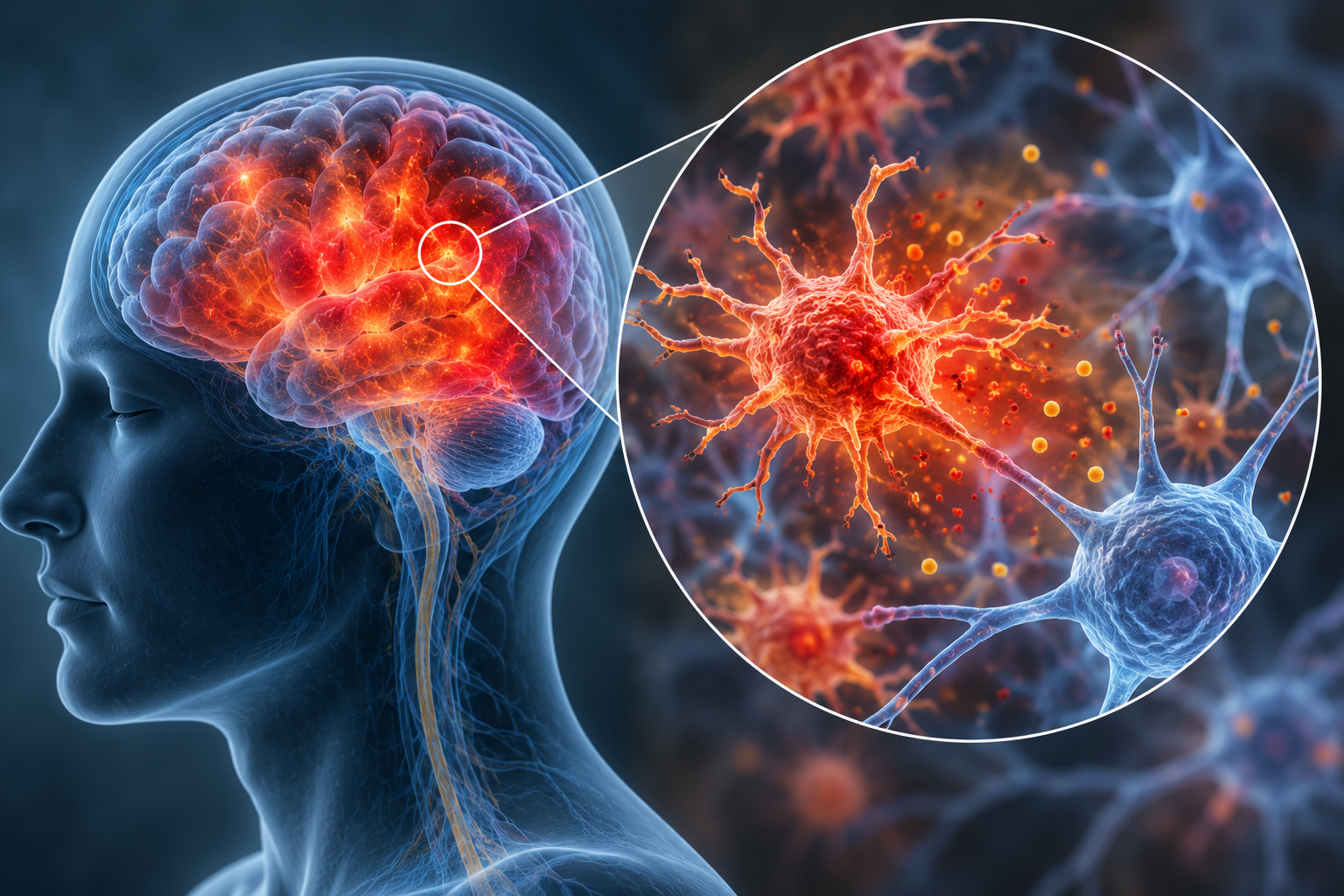
Most people know medications like semaglutide and tirzepatide for their effects on blood sugar, appetite, and weight loss. But there is another fascinating area of GLP-1 research that we have been following at Áureo: their potential effects on inflammation, the brain, and nervous system.
As naturopathic doctors specializing in integrative mental health and ketamine-assisted therapy in Portland, Oregon, we are especially interested in the connection between metabolic health, inflammation, depression, anxiety, and chronic pain.
So, could GLP-1 medications eventually have a supportive role beyond metabolic health? The research is still early, but there are some exciting reasons scientists are asking this question.
What Does Neuroinflammation Have to Do With Mental Health?
Inflammation doesn't just occur in our muscles, joints, or digestive system—it can also affect the brain and nervous system.
Neuroinflammation involves activation of immune pathways within the nervous system, including immune cells called microglia. When inflammatory signaling becomes chronic or dysregulated, researchers believe it may contribute to changes in neurotransmitters, neuroplasticity, pain processing, and mood.
Importantly, this does not mean inflammation is the single cause of depression, anxiety, or chronic pain. These are incredibly complex conditions. Instead, inflammation may be one piece of a much larger mind-body puzzle.
Where Do Semaglutide and Tirzepatide Fit In?
GLP-1 receptors aren't only found in the digestive system—they are also present within the nervous system.
Preclinical research suggests that GLP-1 receptor activation may influence microglial activity, oxidative stress, insulin signaling, mitochondrial function, and inflammatory pathways within the brain.
Semaglutide has demonstrated anti-inflammatory and neuroprotective effects in laboratory and animal research. Tirzepatide, which works on both GLP-1 and GIP receptors, has also been associated with reductions in systemic inflammatory markers such as CRP and IL-6.
This is really interesting research—but there is an important distinction: reducing systemic inflammation or neuroinflammation in an animal model does not automatically mean that these medications treat neuroinflammation, depression, or anxiety in humans.
Could GLP-1 Medications Support Mental Health?
This is where things get particularly interesting!
Researchers are actively investigating GLP-1 medications in depression and other neuropsychiatric conditions. A recent systematic review found encouraging antidepressant-like effects in preclinical research, while human studies have produced more mixed and preliminary results.
For now, semaglutide and tirzepatide should not be considered treatments for depression or anxiety. However, their potential effects on inflammation, metabolic health, insulin signaling, and brain function make this an exciting area of ongoing research.
What About Chronic Pain?
There may also be an interesting connection between GLP-1 signaling and pain.
Neuroinflammation and central sensitization can contribute to certain chronic pain conditions, and preclinical research suggests GLP-1 pathways may influence these processes.
We are beginning to see human data as well. In the STEP 9 randomized clinical trial, people with obesity and knee osteoarthritis who received semaglutide experienced significantly greater improvements in knee pain than those receiving placebo.
However, these patients also experienced substantial weight loss, so we cannot yet say whether the improvement resulted from weight reduction, changes in inflammation, direct effects on pain pathways, or a combination of factors.
A Whole-Person Approach at Áureo
This emerging research fits beautifully with something we have long believed at Áureo: mental health doesn't exist separately from physical health.
Metabolism, nutrition, inflammation, hormones, sleep, stress, gut health, chronic pain, and emotional health all interact with one another.
For appropriate patients, GLP-1 treatment may be one component of an individualized metabolic health plan. It is not a replacement for established treatments for depression, anxiety, or chronic pain.
At Áureo, our naturopathic doctors can also provide individualized support with nutrition, supplements, botanical medicine, acupuncture, bodywork, IV nutrient therapy, and lifestyle medicine.
For patients undergoing ketamine-assisted therapy, this whole-person approach also allows us to address common treatment-related concerns such as nausea, fatigue, headaches, hydration, nutrition, sleep, and recovery.
There is currently no evidence that semaglutide or tirzepatide enhances the effects of ketamine therapy. But the growing research around metabolism, inflammation, neuroplasticity, and brain health raises fascinating questions about how these systems interact.
As this research evolves, our goal at Áureo is to continue following the science—embracing promising new possibilities while being clear about what we know, what we don't know, and what we're still learning.
If you're interested in learning more about GLP-1 treatment, integrative mental health care, chronic pain treatment, or ketamine-assisted therapy in Portland, Oregon, contact Áureo to schedule an individualized consultation.
References
Li S, Sabbah SG, Kwan ATH, McIntyre RS. Repurposing glucagon-like peptide-1 (GLP-1) receptor agonists for the treatment of depression: a systematic review of preclinical, observational and clinical investigations. Eur Neuropsychopharmacol. 2025;99:56-67. doi:10.1016/j.euroneuro.2025.08.002.
Sa B, Maristany A, Subramaniam A, et al. Psychiatric effects of GLP-1 receptor agonists: a systematic review of emerging evidence. Diabetes Obes Metab. 2026;28(1):50-59. doi:10.1111/dom.70198.
Bliddal H, Bays H, Czernichow S, et al; STEP 9 Study Group. Once-weekly semaglutide in persons with obesity and knee osteoarthritis. N Engl J Med. 2024;391(17):1573-1583. doi:10.1056/NEJMoa2403664.
Kuthati Y, Davuluri VNG, Wong CS. Therapeutic effects of GLP-1 receptor agonists and DPP-4 inhibitors in neuropathic pain: mechanisms and clinical implications. Biomolecules. 2025;15(5):622. doi:10.3390/biom15050622.
Grasso M, Fidilio A, Varrasi S, Chiechio S. GLP-1 receptor agonists in neuropathic pain and neurodegenerative diseases: mechanisms, therapeutic potentials, and future perspectives. Curr Neuropharmacol. Published online May 20, 2026. doi:10.2174/011570159X450007260305034049.

Dr. Lindsay Wilkinson, ND, is a compassionate naturopathic doctor dedicated to empowering her patients to achieve optimal health and well-being. With a focus on integrative medicine, she combines evidence-based treatments with holistic approaches to address a wide range of health concerns. Dr. Wilkinson's passion lies in guiding her patients toward balanced wellness through personalized care and support.