

Ketamine Therapy: Safe Care vs. Street Risk
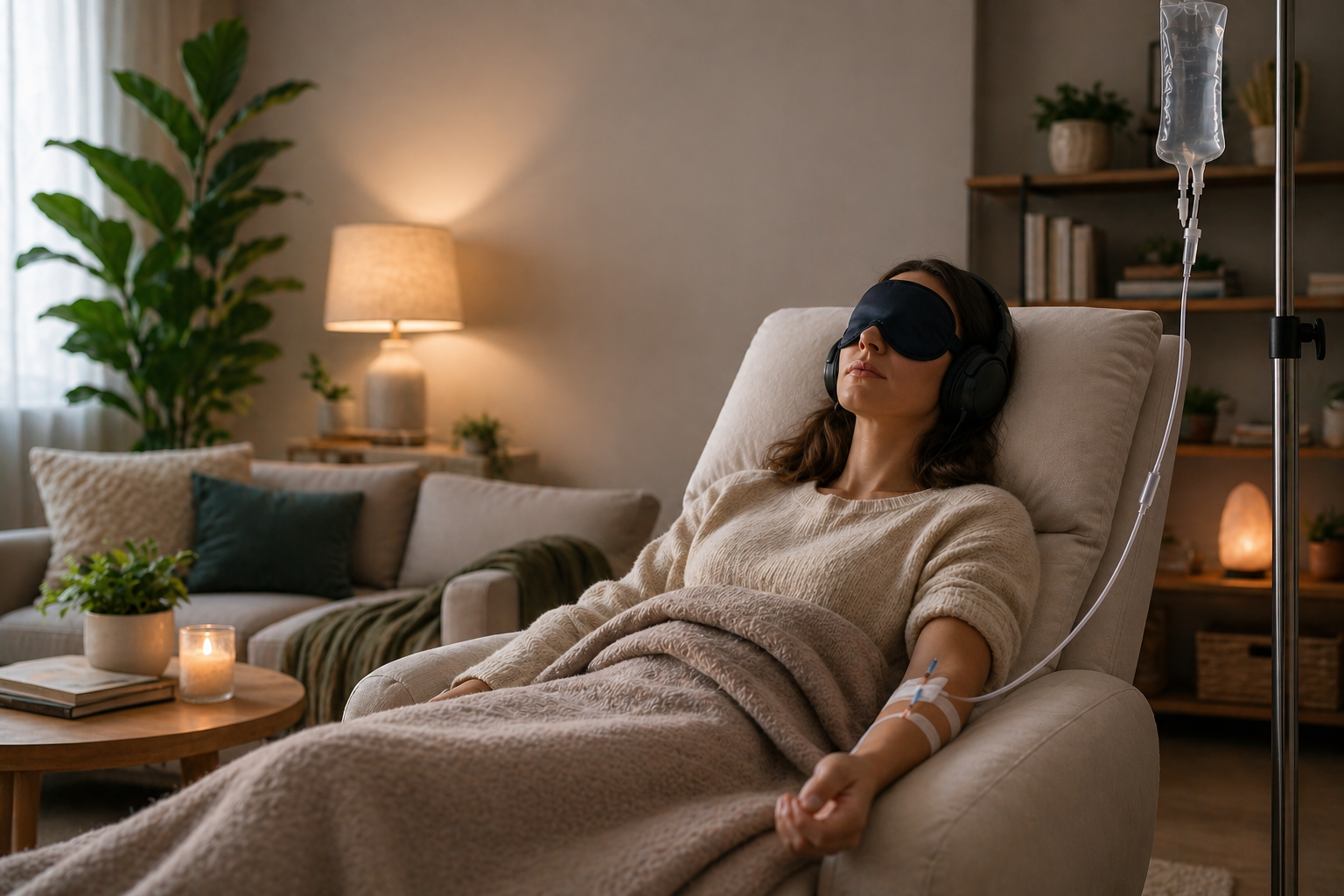
Ketamine has gained increasing attention as a powerful tool for healing—yet there is often confusion about how it differs from non-medical or “street” use. At Áureo, ketamine is a medicine used in a very different, intentional, and clinically supported way than what is seen outside of medical settings.
In a healing and therapeutic context, ketamine is carefully administered in a structured environment with trained medical professionals. Dosing is precise, individualized, and significantly lower than what is typically used recreationally. Patients receiving ketamine infusion therapy are continuously monitored for safety, including heart rate, blood pressure, and oxygen levels. This level of care helps ensure that the experience is both physically safe and emotionally supportive.
In contrast, recreational or “street” ketamine use often occurs in uncontrolled environments, without medical supervision or dosing guidance. This increases the risk of adverse effects, including anxiety, disorientation, and unsafe physiological responses. Street ketamine may also be contaminated or inconsistently dosed, which significantly raises the risk of overdose or unexpected complications.
Another key distinction lies in intention and integration. At Áureo, ketamine is not used primarily for its dissociative or “euphoric” effects. Instead, it is part of a broader therapeutic process that includes preparation, guided sessions, and integration afterward. This helps patients process emotions, shift patterns, and create meaningful, lasting change. Ketamine-assisted healing is designed to support conditions such as depression, PTSD, and anxiety—especially when other treatments have not worked.
Recreational use, on the other hand, often centers around escape or altered states without support or therapeutic context. Repeated high-dose use has been associated with dependency, cognitive changes, and physical complications such as bladder injury. In fact, heavy recreational exposure can be many times higher than what is used in clinical settings, which helps explain why medical use tends to have fewer and more manageable side effects.
Áureo is a holistic wellness space where care is also highly individualized. Whether someone is seeking ketamine infusion for chronic pain or support for mental health, treatment is tailored to the whole person. This reflects a broader commitment to addressing mind, body, and nervous system together rather than in isolation.
Ultimately, the difference comes down to safety, intention, and support. Ketamine therapy sessions in Oregon are not about escaping reality—they are about safely exploring it, with guidance. When used responsibly in a clinical setting, ketamine can be a powerful catalyst for healing, growth, and transformation.
References:
Van Amsterdam J, et al. Harm related to recreational ketamine use and its relevance for clinical use. Drug Alcohol Depend. 2022. (PubMed)
Sayad R, et al. Safety considerations and risk mitigation strategies for ketamine use. 2025. (PMC)
Wilkinson ST, Sanacora G. The rapidly shifting ketamine landscape in the US. 2024. (PMC)
University Hospitals. The benefits of ketamine therapy for depression. 2023. (University Hospitals)
Kalsi SS, et al. The epidemiology and toxicity of recreational ketamine use. 2011. (PMC)
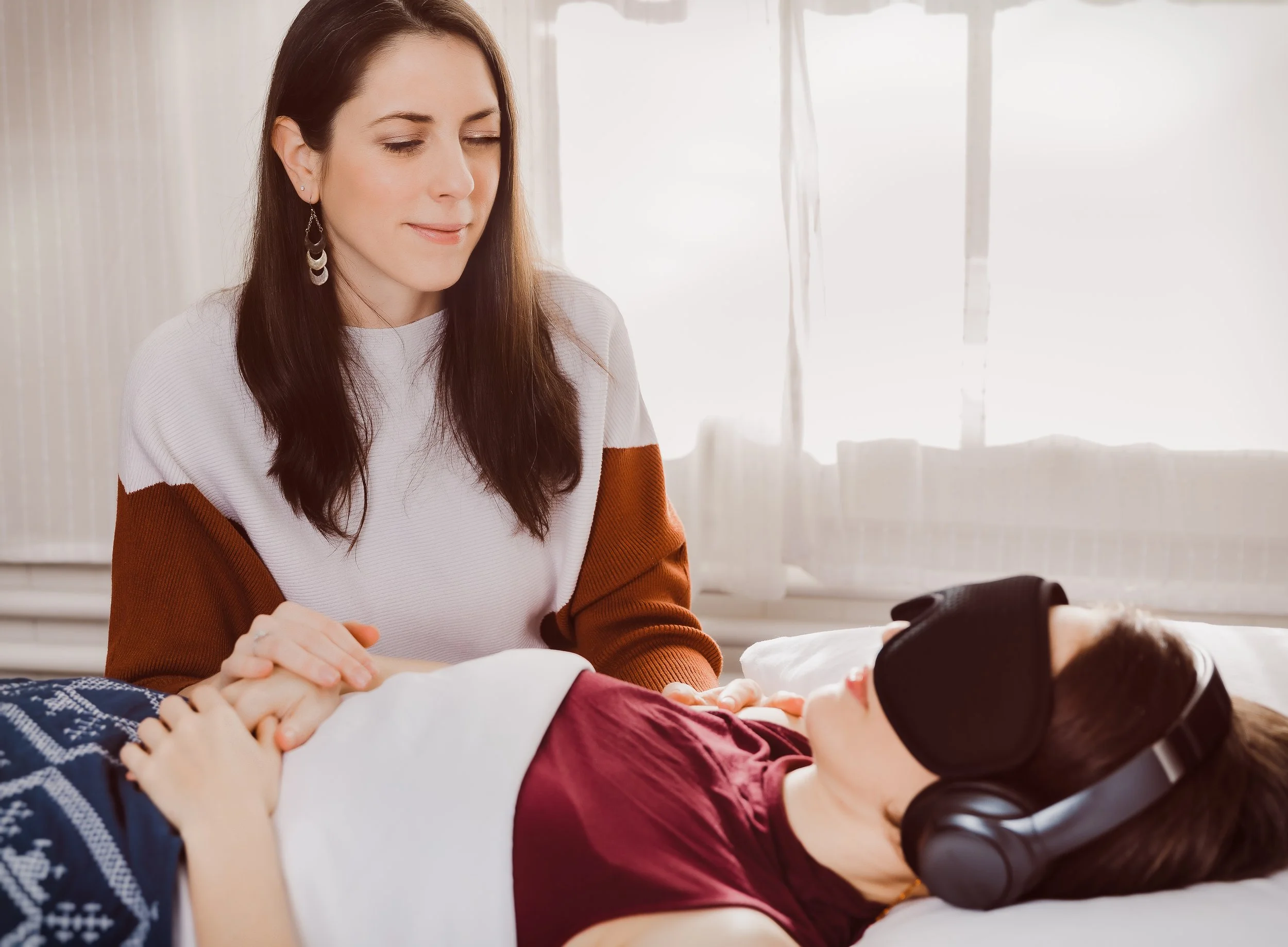
Dr. Lindsay Wilkinson, ND, is a compassionate naturopathic doctor dedicated to empowering her patients to achieve optimal health and well-being. With a focus on integrative medicine, she combines evidence-based treatments with holistic approaches to address a wide range of health concerns. Dr. Wilkinson's passion lies in guiding her patients toward balanced wellness through personalized care and support.